
Minor health issues happen every day of the year for people of all ages. Minor health problems can include coughing, colds, seasonal allergies, minor infections, and stomach pains, which can disrupt daily life and lower productivity. Most minor health problems usually get better after rest and home care, but these conditions require medical attention from a healthcare provider.
Visiting a medical clinic in Mississauga provides residents with quick and reliable health services. Many residents in Mississauga use walk-in clinics for their health care needs without booking an appointment days in advance. With walk-in convenience, a patient can receive immediate medical attention for their health problems, therefore preventing a minor illness from becoming a major one.
Clinics play a large role in educating patients on when to seek medical help and how to make educated health care decisions.
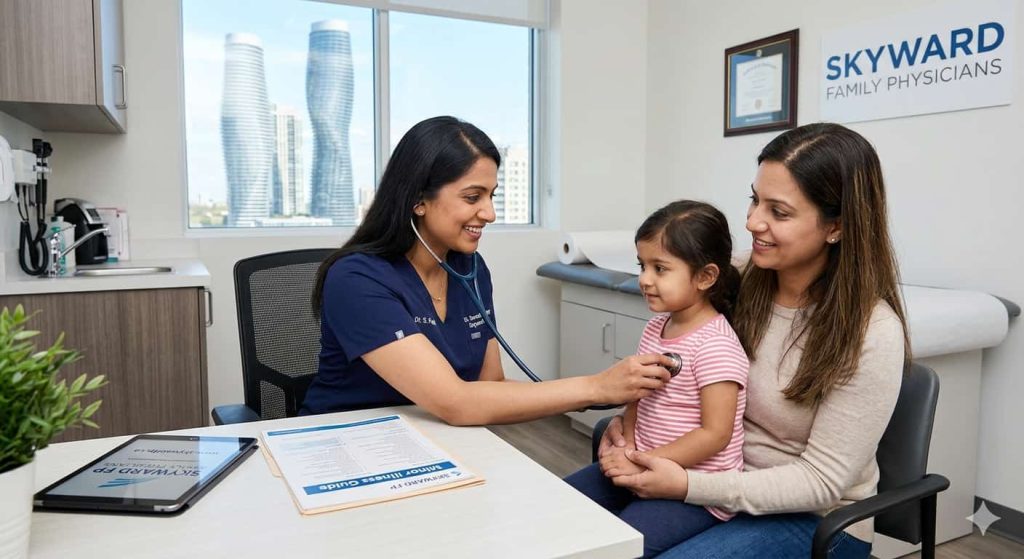
Common Minor Illnesses Treated at Medical Clinics
A medical clinic in Mississauga provides diagnosis and treatment for mild illnesses. Prompt medical assistance ensures a full and proper recovery from even non-life threatening illnesses by preventing themfrom developing into complex, long-term conditions.
Some of the most common minor illnesses treated at clinics include:
- Colds / Flu: Cough, sore throat, fever, and body aches
- Respiratory Infections: Mild bronchitis or sinusitis may require medication or follow-up.
- Allergies: Seasonal allergies can cause symptoms such as sneezing, runny nose, congestion, and fatigue.
- Ear / Throat Infections: Earaches, tonsillitis, and sore throats require medical help.
- Skin infections / rashes: Minor skin issues, insect stings and irritation often require evaluation.
- Digestive Disorders: Nausea, diarrhoea, or mild abdominal pain may need to be evaluated to avoid dehydration.
Early evaluation of these conditions allows clinics to prevent complications and accelerate recovery times.
When Should You Visit a Medical Clinic in Mississauga?
Knowing when to get medical attention is key to preventing minor illnesses from worsening. A medical clinic in Mississauga provides fast help if you have symptoms that have not improved after days or if you have some unexpected medical issues.
You should consider visiting a clinic in the following situations:
Symptoms Lasting More Than a Few Days
If you have a fever, cough, fatigue, or another physical symptom that lasts longer than two or three consecutive days, it is time to seek a medical evaluation. Persisting physical symptoms may indicate that you are suffering from an underlying problem or an infection (as is the case with a sore throat that lasts more than a few days and could require antibiotics).
Sudden Discomfort
If you have any unexpected symptoms (headaches, dizziness, swelling in an area of your body, etc.) that arise without warning, it is important to visit with a doctor right away to find out what is causing the disruption in your everyday activities.
Minor Injuries
A minor injury, such as a simple cut, sprained ankle, minor burn, or bruise, requires visiting a walk-in clinic or family doctor for assistance. Clinics can clean wounds, provide dressings, and recommend treatment plans to ensure proper healing.
Prompt attention reduces the risk of infection and long-term discomfort.
Visit Our Medical Clinic in Mississauga
Benefits of Visiting a Walk-In Medical Clinic
Many individuals opt for walk-in clinics due to their convenience and flexibility for immediate healthcare needs. Family clinics that accept walk-ins provide dependable access to health care without long wait times.
No Appointment Needed
One of the main advantages of walk-in clinics is that they do not require patients to schedule an appointment. This can be especially beneficial when symptoms arise quickly or worsen unexpectedly.
Patients can simply come to the clinic and receive prompt and efficient care without delays.
Quick Treatment
Walk-in clinics are built for efficiency. Physicians will evaluate your symptoms, order diagnostic tests if needed, and create a treatment plan, all while you are in the clinic.
Quick treatment results in a quicker recovery and a lower likelihood of complications.
Affordable Care
Walk-in clinics typically provide more affordable care than visits to the emergency room. Therefore, walk-in clinics are great options for treating minor illnesses and injuries.
Affordable healthcare provides timely access to care without causing the patient undue financial hardship.
How Family Doctors Help Manage Minor Health Issues
Family practitioners are essential in both diagnosing and treating minor medical illnesses. The expertise of the physician ensures the patients receive accurate evaluations and appropriate care.
Role of Diagnosis and Treatment
Family practitioners conduct comprehensive evaluations, including assessment of symptoms, medical history, and the development of treatment plans that may involve medication or lifestyle modifications. Accurate diagnosis helps address the root cause of illness rather than simply managing symptoms.
For example, an individual who has repeated headaches may need to determine why they are experiencing headaches; they could be experiencing symptoms from either dehydration or stress.
Preventing Escalation of Minor Conditions
Early medical intervention prevents minor health issues from becoming severe. Timely treatment of a condition frequently prevents future hospitalisation.
In addition to treatment, family practitioners frequently monitor the patient condition and schedule follow-up visits if needed.
Tips for Managing Minor Illnesses at Home
Although you should always access medical assistance, many people can manage minor, temporary illnesses at home until they recover with proper self-care.
Here are some helpful home management strategies:
- Get Enough Rest: When you are well rested, your body is able to heal itself.
- Drink Plenty of Fluids: Drinking enough fluids keeps you hydrated and supports your recovery.
- Use basic medications carefully: Over-the-counter medications are available to relieve mild to moderate symptoms.
- Practise Good Hygiene: By frequently washing your hands, you can prevent the viral illness from infecting other people.
When to Avoid Self-Treatment
If your symptoms get worse or do not get better, you should stop treating yourself. If you find yourself with any of the following:
- A high fever lasting longer than 48 hours
- Difficulty breathing
- Severe pain/swelling
- Vomiting and/or dehydration for more than 24 hours
- Signs of infection (e.g., redness, drainage)
Recognising these warning signs ensures timely medical care and reduces health risks.
Conclusion
To properly manage minor illnesses, be aware of your health status and take appropriate steps when necessary. Visiting a medical clinic in Mississauga, seek assistance if you experience new or worsening health conditions for the first time.
Walk-in clinics offer many convenient benefits to patients, including the ability to get quick, affordable care from providers who focus on resolving day-to-day health concerns. If individuals access appropriate medical care in a timely manner and follow correct aftercare advice, they recover more quickly and have a better chance of avoiding ongoing issues due to developing new problems.
If your symptoms seem to be persisting or worsening, consider an appointment with your primary care provider or visiting a walk-in clinic in Mississauga, a trusted medical clinic in Mississauga, where you receive quality medical care and support.
FAQs
Q1: What conditions can a medical clinic treat?
The medical clinic treats common illnesses, including colds, flu, infections, allergies, minor injuries, skin and respiratory diseases, and digestive problems.
Q2: When should I visit a walk-in clinic?
You should go to a walk-in clinic if you have symptoms that persist or are getting worse or require immediate medical attention without waiting for an appointment.
Q3: Are walk-in clinics available in Mississauga?
Yes, there are many walk-in clinics in Mississauga allow you to get healthcare without an appointment ahead of time.
Q4: Can minor illnesses become serious if untreated?
Yes, if you do not get proper medical care for your minor illness, there is the chance that it could worsen and require medical equipment or treatment to become better.